

Biophilic bathroom design is rapidly moving from a niche idea to a major trend, offering homeowners a way to turn an everyday space into a wellness-driven retreat that connects directly to nature. If you’re considering a remodel, here’s what you need to know—real talk, real data, and pragmatic steps to success.
Key Takeaways
- Nature-inspired and biophilic bathrooms now influence up to 60% of remodels, though true biophilic design as the central priority remains under 30%.
- Natural stone is a defining feature but comes with significant cost, maintenance, and safety trade-offs—especially with wet areas and daily use.
- Most competitor content glosses over downsides, sustainable sourcing, and real-world performance—this guide tells you what trend reports don’t.
- What is Biophilic Bathroom Design and Why Are Homeowners Choosing It?
- Step-by-Step Guide: Creating a Biophilic Bathroom with Stone
- Advanced Analysis & Common Pitfalls
- Conclusion
- Frequently Asked Questions
What is Biophilic Bathroom Design and Why Are Homeowners Choosing It?
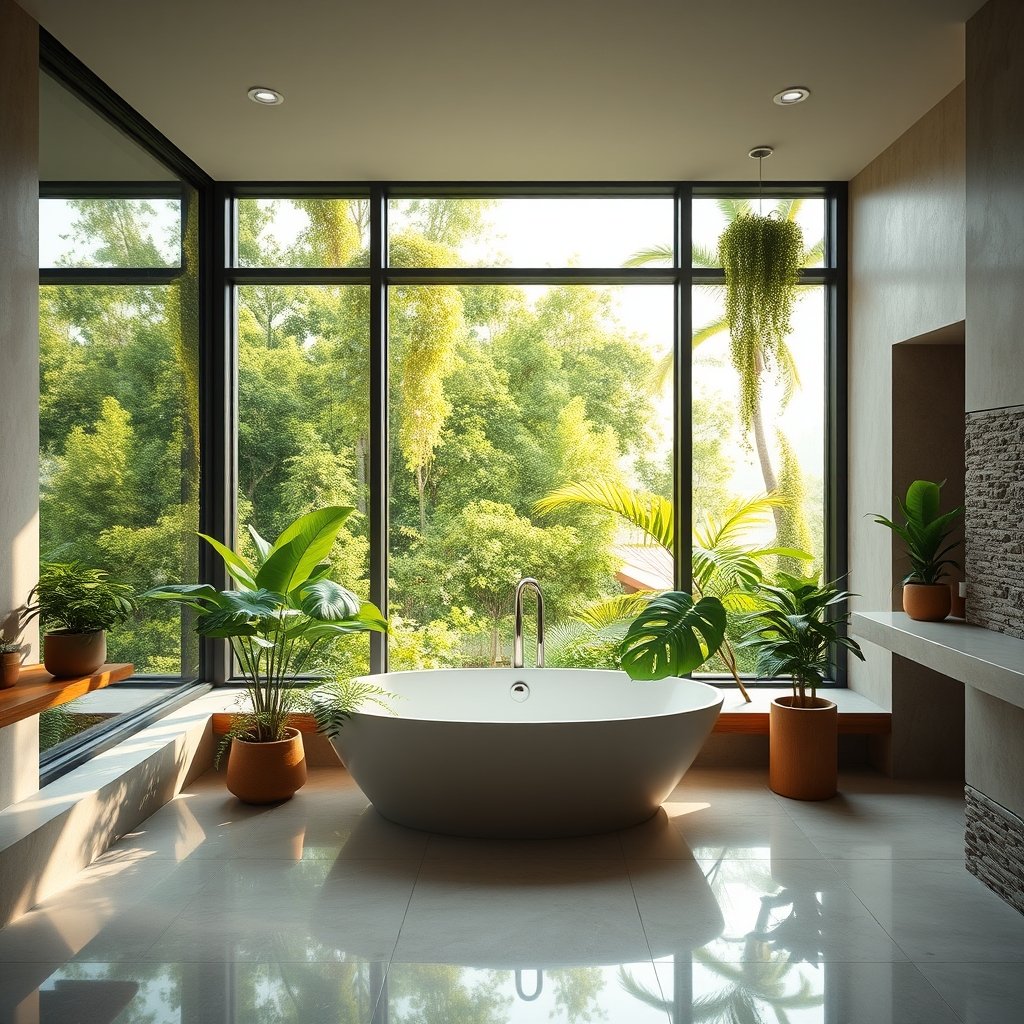
Biophilic bathroom design means integrating natural elements, organic materials, and sensory cues that mimic the outdoors—think stone, wood, greenery, daylight, and earthy colors. The goal? Turn your bathroom into a sanctuary that boosts relaxation, wellness, and mood, not just hygiene. Surveys show a sharp uptick: over 50% of industry experts now rank organic, nature-inspired design as the leading trend, up massively from just a few years ago. Elements like stone slab showers, natural light, and wood vanities are in demand, while spa-like features transform bathrooms into daily escapes for mental reset and improved well-being.
Citation: Fixr 2026 Bathroom Trends, Buildertrend 2024, BUILD Des Moines
Step-by-Step Guide: Creating a Biophilic Bathroom with Stone
This guide walks you through actionable steps for a functional, beautiful biophilic bathroom with natural stone—no rose-colored glasses required.
-
Clarify your priorities and wellness goals.
Are you aiming for maximum light, spa-like relaxation, a botanical “jungle” vibe, statement stone, or all of the above? Know what truly matters—biophilic design isn’t one-size-fits-all. -
Analyze your space and natural light.
South and east-facing windows are ideal. If your room lacks daylight, consider options like glass block, solar tubes, or even carefully placed mirrors to bounce what you have. Don’t forget venting—proper airflow matters for plants and stone longevity. -
Prioritize stone placement for function and effect.
Decide if you’ll use stone on floors (safety: textured recommended), shower walls (impact: slabs suggested), backsplashes, or vanities. Matte black fixtures can provide striking contrast to natural stone and organic hues. -
Choose stone type and finish carefully.
• Slate and honed limestone or travertine are best for wet, non-slip areas.
• Classic marble shines for vertical slabs but takes more upkeep.
• Prefer honed or tumbled over polished for both looks and underfoot grip. -
Think sustainability.
Ask about origin: locally sourced stone typically leaves a smaller environmental footprint. Request documentation or quarry certification if sustainability is a top concern. For even greater eco-impact, pair natural stone with energy-efficient water heaters and low-flow fixtures. -
Define plant and green wall strategy.
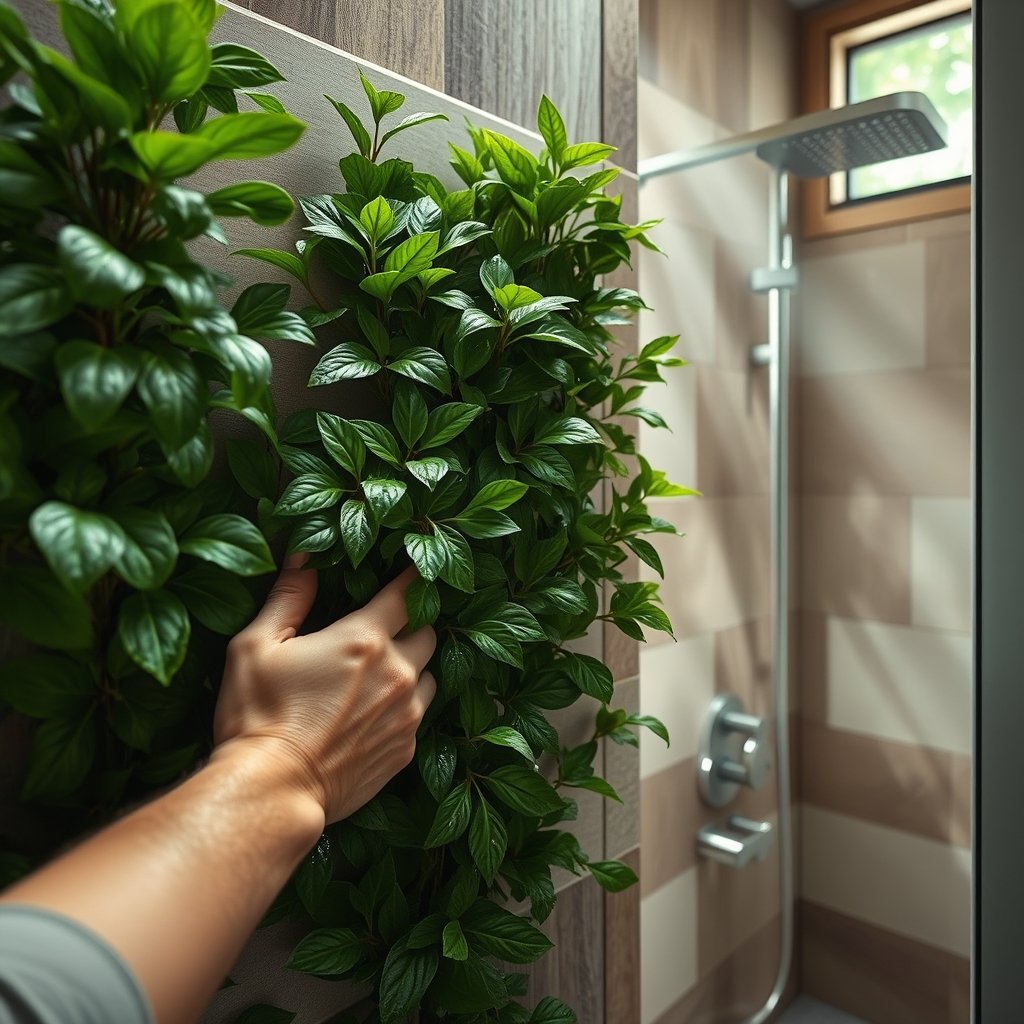
Pick humidity-loving, indirect-light tolerant species for bathrooms (ferns, pothos, peace lilies). Always provide drainage trays and check for leakage, especially on stone surfaces. -
Plan for maintenance and durability from the start.
Budget for annual or biennial stone sealing, as well as pH-neutral cleaning supplies. Ensure your contractor specifies caulking and waterproofing details at all transitions and joints. -
Build in layers of sensory comfort.
Incorporate natural materials (wood, stone, plants), organic shapes (arches, pebble mirrors), and calming scents (cedar, eucalyptus). Layering textures enhances the wellness feel and supports the core biophilic effect.
-
Validate ventilation and humidity solutions.
A bathroom with plants and stone must handle steam. Upgrade fan capacity, use smart sensors, and consider operable windows if possible. Learn about modern water filtration for peace of mind when adding new plumbing or rain showers. -
Layer in tech for comfort and control (optional).
Underfloor heating and smart lighting can support both stone comfort and energy savings. If you want “hands-off” monitoring, see smart home security options for bathrooms with exterior-facing windows.
Advanced Analysis & Common Pitfalls
Most biophilic design guides skip over the challenges and drawbacks. Here’s the unvarnished truth:
Common Pitfalls and How to Avoid Them
- Slippery Floors: Polished marble or high-gloss stone is risky in wet areas. Opt for textured/honed finishes and smaller tiles with more grout lines for grip. Never compromise safety for aesthetics.
- Staining and Etching: Marble shows etch marks from soaps, skincare acids, and even some water supplies. If daily spa baths are your plan, be rigorous with sealing and use a tray or mat for products.
- Unexpected Maintenance: Natural stone—especially in damp, plant-filled settings—requires more maintenance than engineered tile. Grout can mildew, plants can shed or rot, and sealed stone needs regular checkups.
- High Upfront and Lifecycle Costs: Natural stone slabs are premium materials. Factoring in extra labor, reinforcement, and slower project timelines can double or triple certain parts of your budget. If you need backup power for lighting, hot water, or exhaust fans during outages, see this whole home battery backup cost guide.
- Sustainability Trade-Offs: Unless you’re deliberate about selecting local or certified sources, stone can carry a hefty carbon footprint. Knowledge gaps here are common among suppliers—do your homework and ask pointed questions.
Comparison Table: Stone Types for Biophilic Bathrooms
| Stone Type | Best Use | Slip Resistance | Maintenance Needs | Sustainability |
|---|---|---|---|---|
| Honed Slate | Shower floors, accent walls | Excellent | Low | Good when locally sourced |
| Honed/Tumbled Limestone | Shower floors, walls | Good | Medium | Varies by quarry |
| Marble (Honed/Polished) | Vanity tops, walls | Low (polished); Medium (honed) | High | High carbon if imported |
| Travertine (Textured) | Floors, walls | Good | Medium | Best when domestic |
| Pebble/Mosaic | Shower floors, niches | Excellent | Medium (grout heavy) | Depends on source |
If you want a deep dive into home improvement tools or need equipment for installation, check out Smart Home Tools & DIY Solutions—it covers what most trend sites skip regarding tool selection and renovation product reviews.
Conclusion
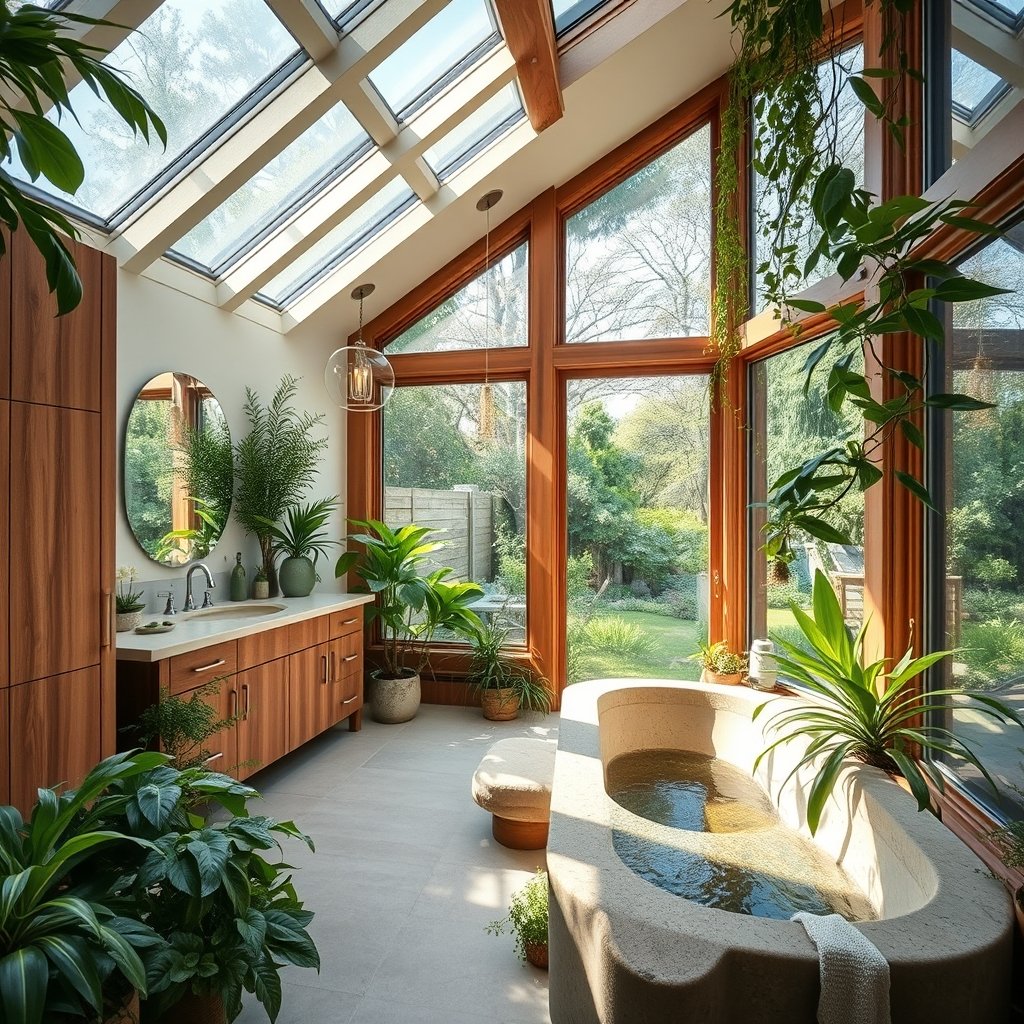
Biophilic bathroom design is more achievable than ever before, blending natural stone, organic forms, sustainable practices, and smart planning to deliver wellness benefits in your daily routine. Biophilic bathroom design is not just about trends—it’s about mindful choices of materials, finishes, and upkeep that fit real lives, not just magazine photos. Ready to create your own nature-inspired bathroom sanctuary? Start by auditing your space, defining your priorities, and choosing your stone with open eyes to both pros and cons. For personalized advice or product reviews, check out more guides on HomyTools.
Frequently Asked Questions
Is biophilic bathroom design expensive?
It can be, especially with natural stone. Expect higher upfront costs for slabs, custom fabrication, and expert installation. Factor in recurring maintenance expenses like sealing and specialized cleaners.
Which natural stones are safest for wet bathroom floors?
Slate, textured/rough limestone, and tumbled travertine offer the best slip resistance. Honed or matte finishes are safer than polished. Small tiles with extra grout lines also help prevent slips.
How do I prevent mold when using stone and plants in the bathroom?
Ensure strong ventilation with quality exhaust fans, use good waterproofing behind stone surfaces, and select plants that thrive in humidity without constant wetness. Promptly clean up drainage and spills.
Is natural stone in the bathroom sustainable?
It depends on sourcing and lifespan. Locally quarried, responsibly certified stone is best. Durable materials and timeless finishes mean fewer replacements, which is better for the planet over time.
What is the biggest downside most people overlook?
Ongoing maintenance. Natural stone and biophilic features require regular cleaning, sealing, and inspection—especially when exposed to moisture, soap, and plant debris. Underestimating upkeep is the most common source of regret.