

Heat pump water heater rebate programs can dramatically cut your installation costs, but getting every possible dollar requires careful planning and up-to-date research. In 2024–2026, the incentives on offer are historic—if you qualify and avoid the common pitfalls.
Key Takeaways
- Federal and state heat pump water heater rebates can cut your upfront cost by $2,000–$5,000, but eligibility and timing rules vary widely.
- Getting every rebate means picking the right equipment, using an approved contractor, and submitting paperwork on time.
- Missing a single step—like failing to meet efficiency ratings or income limits—could cost you thousands.
- How Heat Pump Water Heater Rebates Really Work (What & Why)
- Step-by-Step Guide: Securing Your HPWH Rebate in 2024–2026
- Advanced Analysis & Common Pitfalls
- Conclusion: Should You Chase a HPWH Rebate?
- FAQ
How Heat Pump Water Heater Rebates Really Work (What & Why)
Heat pump water heater rebates are financial incentives from federal, state, and local programs designed to offset the higher upfront cost of super-efficient ENERGY STAR certified heat pump water heater installations. The idea is straightforward: by making it cheaper to upgrade, these programs accelerate U.S. adoption of energy-saving technology and help homeowners cut long-term utility bills.
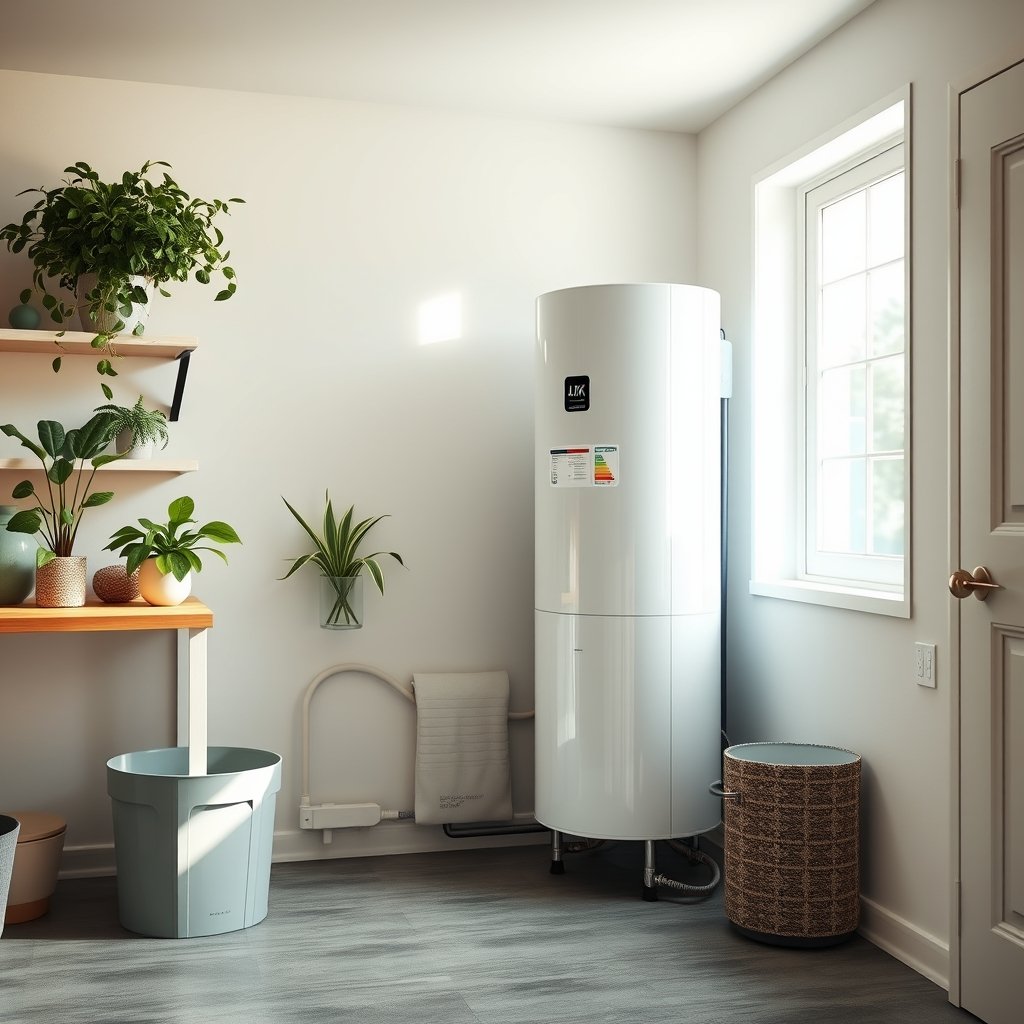
In 2024–2026, the federal government offers both tax credits and up-to-$1,750 point-of-sale rebates through programs like the 25C “Energy Efficient Home Improvement Credit” and HEEHRA (Home Energy Rebates). States and utilities layer on more dollars, but every program has fine print: some require ENERGY STAR units, others are for existing homes only, and many rebates are income-tested or only available if you work with a participating contractor. Mistakes in paperwork, timing, income documentation, or equipment choice can disqualify your application.
If you want a deep dive on the tech that runs your home, explore our guide to smart home tools and DIY solutions.
Step-by-Step Guide: Securing Your HPWH Rebate in 2024–2026
Navigating rebates is more than filling a form. Here’s how to reliably claim a heat pump water heater rebate and avoid the traps that cost homeowners thousands.
- Verify Your Eligibility (Income, Property, and Program Status)
- Check your state’s Home Energy Rebate launch status. As of mid-2026, rebates are only live in select states/territories (AZ, CA, CO, GA, IN, ME, MI, NY, NC, WI, DC, parts of NM and RI).
- Check if your household income is under 150% of your local area median (for HEEHRA), or if you’re in a preference zip code for extra equity incentives (e.g., California’s TECH equity program).
- Confirm your home is not new construction—most rebates (including the federal 25C tax credit) require an existing primary or secondary residence.
- Choose Qualifying Equipment
- Only select HPWH units on the eligible list for your rebate—typically ENERGY STAR certified, sometimes requiring UEF 3.30 or above. Programs like Mass Save and many utilities set UEF minimums higher than ENERGY STAR itself.
- Match the capacity (gallons) and configuration (unitary, split-system, voltage) to your family and rebate rules.
- Get Quotes and Hire a approved contractor
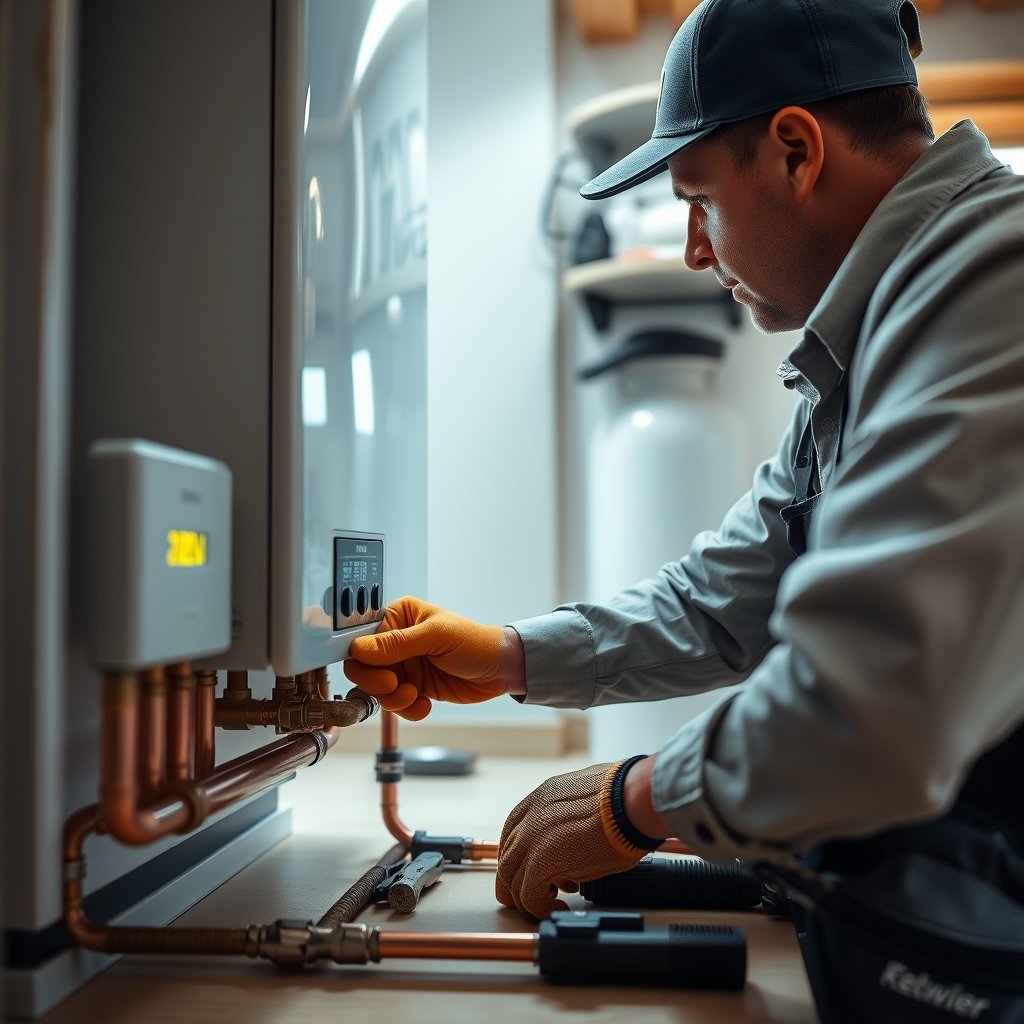
- Federal and most state rebates (especially HEEHRA) require installation by an approved contractor. DIY disqualifies you. Check their paperwork skills—your rebate depends on their accuracy.
- In high-demand states, use contractor-finder tools from the utility or program site to see who is authorized to submit applications.
- Reserve or Apply for Rebates Upfront
- For “point-of-sale” rebates, the contractor should handle the paperwork and discount. For others, you may need to pre-apply or hold rebate funds before installation—especially if local funding is limited or first-come-first-served.
- Stack where possible for max savings: combine federal 25C tax credit (claimed on IRS Form 5695), state rebates, and your utility rebate, but never expect more than 100% of installed cost back.
- Document Everything and Meet Deadlines
- Save all installation invoices, model and serial number tags, and signed contractor forms. Take photos as proof if paperwork gets lost.
- Submit rebate documents within 60–90 days of installation for utility/state programs—and file your 25C tax credit the following tax season.
If you need to upgrade your electrical service for your HPWH, learn what drives whole home battery backup cost—the same contractor will often handle both jobs.
Finally, review success stories and project reviews in the DIY tools archive to prepare for any site-specific installation issues.
Advanced Analysis & Common Pitfalls
No rebate is guaranteed. Based on recent reports and complaints, these are the traps and real-world issues homeowners face:
- Equipment Not Meeting Efficiency Tiers: Many buyers only check for ENERGY STAR, but federal 25C and some utility programs require an even higher UEF, like 3.30 for standard 50-gallon units. One number wrong and your $2,000 tax credit is denied.
- Income Qualification Surprises: HEEHRA is totally off-limits for households above 150% of local area median income (e.g., over $220,000 for a family of four in Silicon Valley in 2026). AMI cutoffs change annually.
- Eligibility Limited to Existing, Year-Round Homes: Many programs exclude new construction, vacation houses, and over-application (one HPWH per address). If your property isn’t permanently occupied, you lose all savings.
- Missed Paperwork Deadlines: State and utility rebates are usually first-come, first-served. Submitting outside the 60-90 day window means you get nothing. Some programs also stop accepting applications if funds run out even if you already started your upgrade.
- Contractor Participation Gaps: For HEEHRA, rebates are only available through approved contractors, not as a tax credit. If your installer isn’t enrolled, you don’t get the rebate—even if everything else is perfect.
| Region/Program | Installed Cost (50gal HPWH) | State/Utility Rebate | Federal Tax Credit (25C) | Potential HEEHRA Rebate |
|---|---|---|---|---|
| New England (Mass Save) | $3,000–$5,000 | $750–$1,500 | Up to $2,000 | Up to $1,750 (if income-qualified) |
| California (TECH Clean CA) | $4,000–$7,000 | $1,100–$5,700 | Up to $2,000 | Up to $1,750 |
| Maine (Efficiency Maine) | $2,800–$4,500 | $1,100 (instant) | Up to $2,000 | Up to $1,750 |
| NC/SC (CCEC example) | $2,200–$3,500 | $700–$1,100 | Up to $2,000 | Up to $1,750 |
Note: Actual rebate levels and installed costs change frequently. Always check your utility or state program and the latest ENERGY STAR federal tax credit guidance for updates.
If you want hands-on coverage of what can go wrong with big installs, read our tool-based reviews.

Conclusion: Should You Chase a HPWH Rebate?
Claiming a heat pump water heater rebate in 2024–2026 can reduce your net system cost to the level of a standard electric heater or less—but only if you meet precise equipment, income, and paperwork rules. Plan ahead, check program criteria, and team up with a qualified installer to avoid missing your shot at thousands in rebates.
The process is not set-and-forget. Confirm eligibility, deadlines, and your contractor’s status before spending a dollar. Want to simplify your next big project? See our breakdown of whole home backup costs or get pro-level DIY advice at HomyTools.
Want more guidance on maximizing your heat pump water heater rebate? Subscribe for up-to-date project checklists, or leave your questions below—expert advice is just a click away.
FAQ
Do I qualify for a heat pump water heater rebate if my income is above 150% of my area median?
No, HEEHRA rebates are strictly limited to households under 150% of area median income. If you earn more, you can still use the federal 25C tax credit and any local/utility rebates.
Can I install a HPWH myself and still claim rebates?
DIY installations usually disqualify you from rebates and the federal 25C tax credit. Approved contractors are required for most programs.
What efficiency rating does my heat pump water heater need for the 25C tax credit?
Your HPWH must meet or exceed the highest CEE efficiency tier for electric storage water heaters, which usually means ENERGY STAR certified and UEF around 3.30 for many models.
Can I stack federal, state, and utility rebates to get a free HPWH?
Stacking is allowed up to 100% of your installed cost. Any overage is typically denied or reduced. Low-income households may see zero net cost through HEEHRA, but only within program caps.
What if my state hasn’t launched its HEEHRA rebate yet?
You must wait until the program goes live. Upgrades made before launch are ineligible for retroactive rebates, but the 25C tax credit remains available if your project qualifies.