

Key Takeaways
- PFAS contamination is present in 45–50% of U.S. drinking water samples, and new EPA limits make under-sink PFAS water filters an urgent safeguard.
- Reverse osmosis (RO) systems with NSF/ANSI 58 or P473 certification offer the most reliable reduction, especially for long-chain PFAS like PFOA and PFOS.
- Not every under-sink filter removes all PFAS types; always check for clear certification and tested reduction rates before purchase.
- Understanding PFAS Water Filters Under Sink: The Core Concept
- How to Install & Maintain an Under-Sink PFAS Water Filter (Step-by-Step Guide)
- Advanced Analysis & Common Pitfalls When Choosing and Using Undersink PFAS Filters
- Conclusion
- Frequently Asked Questions
Understanding PFAS Water Filters Under Sink: The Core Concept
PFAS (per- and polyfluoroalkyl substances) are synthetic chemicals linked to health risks and detected in roughly 45–50% of U.S. tap water, according to the latest USGS and EPA data.[1] Because municipal upgrades for PFAS removal can take years, many households are turning to under-sink PFAS water filters for immediate protection, especially reverse osmosis (RO) systems with NSF/ANSI certification.
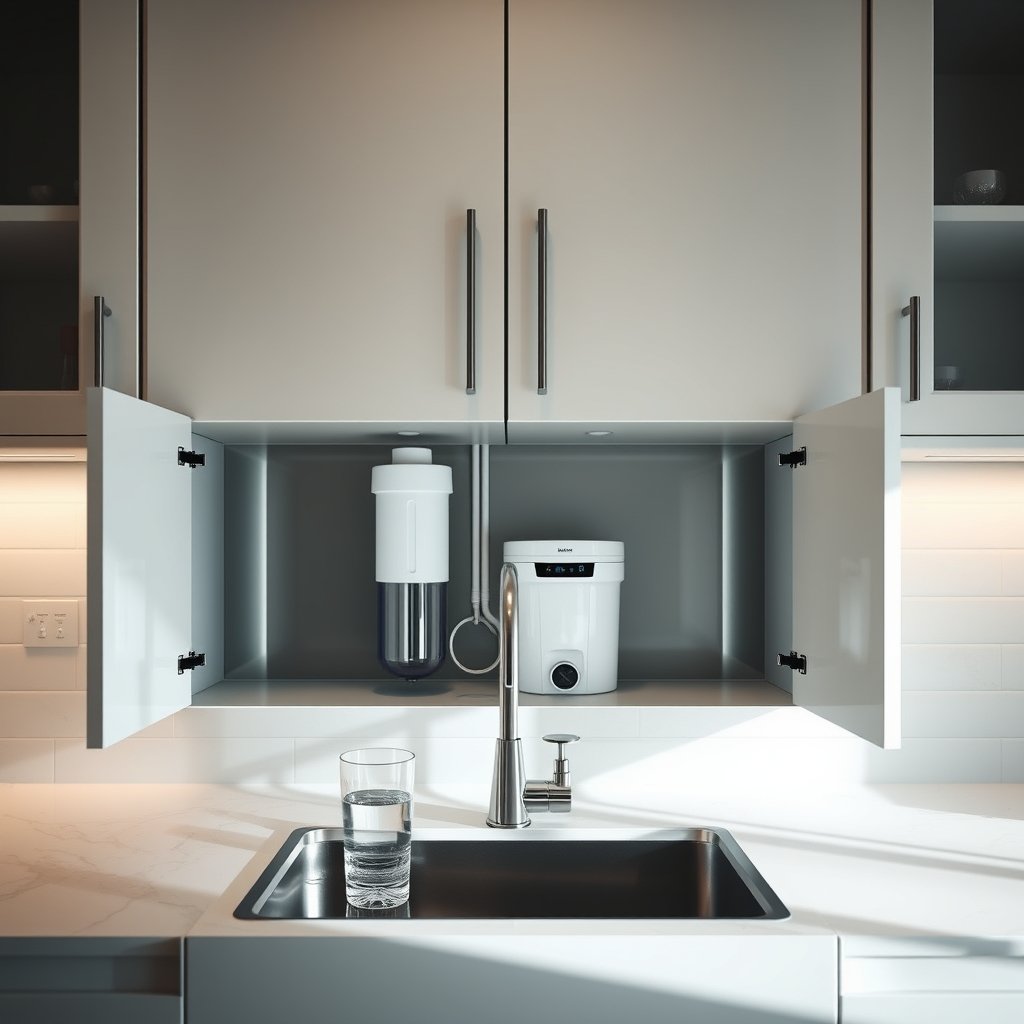
Under-sink filters target PFAS at the kitchen tap—usually the main source for drinking and cooking—rather than filtering all water entering the home. Modern RO systems, especially those with certifications like NSF/ANSI P473, can remove over 90% of long-chain PFAS like PFOA and PFOS. Some advanced carbon systems are also tested for PFAS, but not all carbon filters work, so it’s critical to check certifications and tested performance for the exact PFAS you want removed.
High demand means the market now includes tankless, high-capacity models and designs that address space, maintenance, and installation headaches. Still, no home filter removes every PFAS type entirely, and some short-chain PFAS remain difficult to treat, so setting realistic protection goals is essential.
How to Install & Maintain an Under-Sink PFAS Water Filter (Step-by-Step Guide)
- Select a Certified System:
- Choose an under-sink filter with NSF/ANSI 58 (RO) or P473 (for PFAS) certification. Check reduction rates for specific PFAS like PFOA, PFOS, GenX, and others listed in current federal regulations.
- Avoid filters that vaguely claim “NSF certified” without listing these standards, as this can be misleading. For help with project evaluation, see our guide to smart home tools & DIY solutions.
- Prep Your Sink Area:
- Clear out space under your sink. Modern tankless RO models often need less room, but if you’re installing a traditional RO with a storage tank, allow enough space for hardware and filter changes.
- Inspect your plumbing and note any garbage disposals or unusual layouts that might complicate installation.
- Install Feed and Waste Lines:
- Most under-sink PFAS water filter kits include color-coded tubing for incoming cold water and outgoing waste water.
- Turn off the cold water supply, connect the feed line to the filter’s inlet, and (for most RO systems) mount a drain saddle on the waste pipe. This step may require drilling, basic hand tools, and sometimes pipe wrenches.
- Mount the Filter System:
- Use the provided brackets or mounts to secure the main filter unit (RO membrane, carbon cartridges, etc.) to the cabinet wall.
- Attach filter cartridges according to the manufacturer’s instructions, usually with a simple twist or click-in-place motion. Take care to avoid cross-threading and leaks.
- Install the Dedicated Faucet:
- Most systems require a dedicated faucet at the sink. This may involve drilling a new hole in your countertop, so plan ahead or hire a plumber if uncomfortable.
- Connect the filtered water output to this faucet and check for tight seals at every junction.
- Flush and Test the System:
- After all lines are connected, slowly turn the water back on. Run the filtered tap for several minutes (or until initial coloring and carbon dust clears) to flush the new filters.
- Check carefully for leaks at all points—especially joints and cartridge housings.
- Regular Maintenance:
- Replace prefilters, carbon cartridges, and the RO membrane as specified in the manual. Intervals can vary: typically, 6–12 months for prefilters/carbon, and 2–3 years for RO membranes.
- Note that high PFAS concentrations or heavy water use can shorten these intervals, so monitor for performance dips and always use genuine replacement parts.
- PFAS Waste Disposal:
- Filters that have captured PFAS must be disposed of responsibly. Manufacturers rarely offer take-back for used filters, so tightly bag spent cartridges to minimize PFAS leaching into your trash. Do not burn or compost filter media.
- This overlooked step reduces the risk that PFAS return to your environment. Discover other eco-conscious strategies in our resources on energy savings and efficiency upgrades.
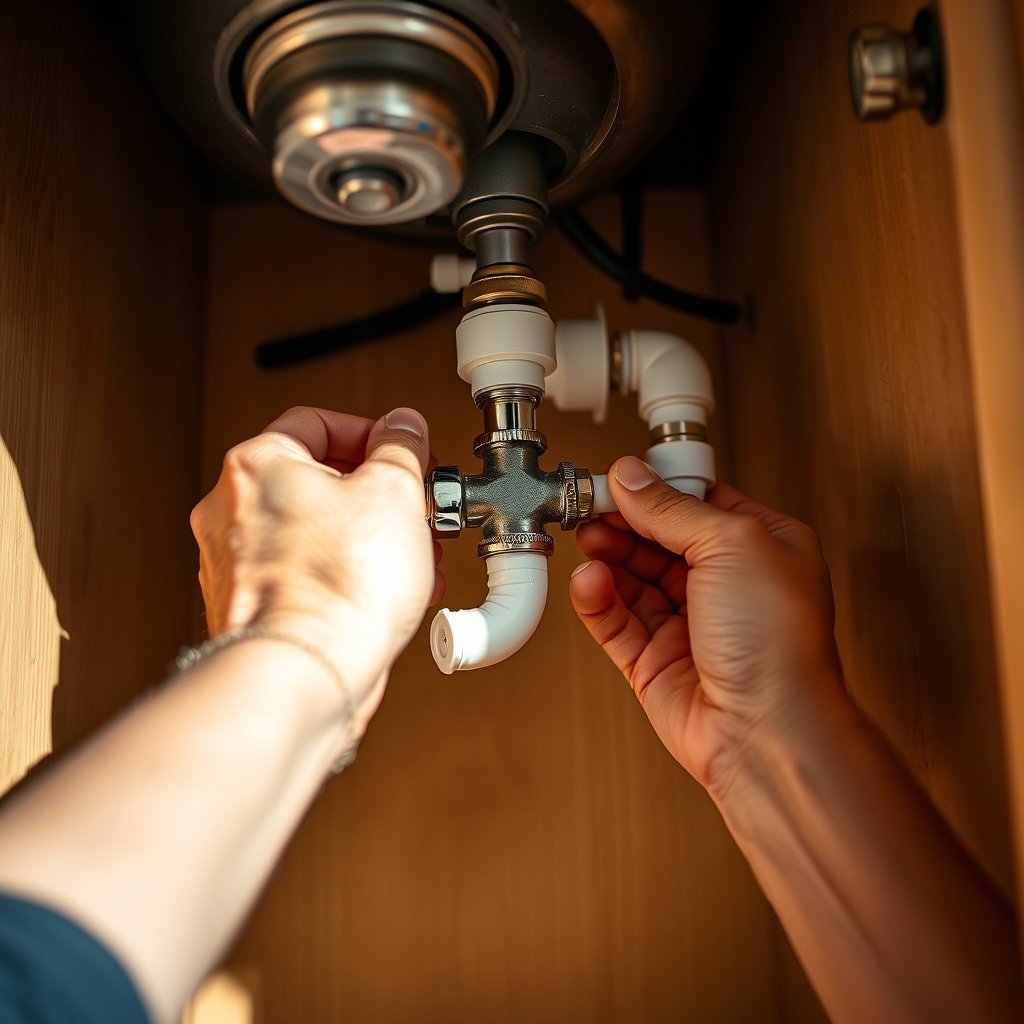
For those new to home upgrades, consider using multi-purpose DIY kits or hiring a professional for the first installation. More on tool selection and installation techniques can be found in our whole home battery backup and DIY solutions guide.
Advanced Analysis & Common Pitfalls When Choosing and Using Undersink PFAS Filters
As demand for PFAS removal surges, many users encounter frustrations that competitor articles often ignore. Below are the most critical pitfalls—and how to avoid them.
1. Overestimating Filter Ratings
Most certified under-sink PFAS water filters are tested for long-chain PFAS (PFOA, PFOS) but show reduced effectiveness (60–80% removal) for short-chain types like PFBS.[2] If the product claims to “remove all PFAS,” this is rarely backed by scientific data. Always check which PFAS compounds—and at what levels—were tested.
2. Misleading “NSF Certified” Claims
The phrase “NSF certified” is often used on product labels but only matters if paired with standards relevant to PFAS. Look specifically for NSF/ANSI 58 (reverse osmosis) or P473 (PFAS reduction, especially PFOA/PFOS). Ignore generic claims—these can lead to costly mistakes.[3]
3. Installation, Space, and Flow Rate Challenges
| Pitfall | How It Hurts You | How to Avoid |
|---|---|---|
| Space issues with traditional RO tanks | Takes up most of the under-sink space—hard to access or store other items | Choose tankless RO models or measure and plan layout ahead |
| Installation complexity | Multiple connections, possible drilling—risk of leaks | Hire a plumber or follow step-by-step guides carefully |
| Lower flow rates from RO | Slow fills for kettles or pitchers—frustrating for families | Opt for high-GPD (gallons per day) or tankless systems |
| Water waste in RO operation | Higher utility bills, environmental impact | Choose efficient models or consider handling of RO waste water |
4. Maintenance & Short-Chain PFAS Breakthrough
PFAS removal performance may decline earlier than standard filter life, especially in high contamination areas. Simple TDS or taste indicators do not guarantee ongoing PFAS reduction, so schedule filter swaps based on certified intervals—or more frequently if use is heavy.[4]
5. Neglecting PFAS Waste Disposal
Spent cartridges and RO concentrate can contain high PFAS levels. Never toss these in the trash unbagged—seal them tightly to reduce PFAS emissions into the landfill or surroundings. Few brands offer return programs, but this step protects your local environment.[2]

Conclusion
If you want the best shot at protecting your home from PFAS, an under-sink certified PFAS water filter under sink system—ideally an NSF/ANSI 58 reverse osmosis model—is a practical, proven, and realistic solution. While no home filter removes all PFAS, these systems provide vital protection until municipal utilities upgrade by 2029. Always verify certifications, confirm tested removal rates, and plan for proper maintenance and safe disposal.
Ready to make your kitchen safer? Research and choose wisely, then follow good installation and filter care practices. For more hands-on advice, check our DIY tools guide and home upgrade resources.
Frequently Asked Questions
What is the most important certification for PFAS under-sink filters?
Look for NSF/ANSI 58 certification for reverse osmosis units and NSF/ANSI P473 certification for PFAS removal, especially PFOA and PFOS. These standards provide independent lab verification of PFAS reduction.
Will an under-sink PFAS filter remove all types of PFAS?
No. Even the best RO systems remove over 90% of long-chain PFAS but only 60–80% (or sometimes less) of short-chain PFAS like PFBS. No home filter removes every PFAS compound.
How often should I replace under-sink PFAS water filter cartridges?
Most prefilters and carbon cartridges last 6–12 months, while RO membranes last about 2–3 years. If your water has high PFAS, more frequent changes may be needed. Always follow the manufacturer’s schedule and replace with certified filters.
Does boiling water remove PFAS?
No. Boiling does not remove PFAS and can actually concentrate them further. Only certified filtration methods like reverse osmosis or special PFAS-tested carbon filters reduce PFAS levels.
What should I do with used PFAS water filter cartridges?
Wrap them tightly in a plastic bag before disposal to reduce PFAS escape. Do not burn or compost old filters. If a take-back or recycling program is available from the manufacturer, use it.