

Whole home battery backup cost has become a crucial question for homeowners comparing reliable backup power with ongoing savings, especially as outages and severe weather become more common.
Key Takeaways
- Installing a whole home battery backup usually costs between $20,000 and $32,000, after accounting for labor and regional adjustments.
- While the upfront price is about two to four times higher than whole home generators, battery systems deliver lower annual maintenance and may qualify for up to 30% in federal tax credits.
- Most “whole home” battery setups still have technical limits: not every system supports all loads, and battery replacements later can mean additional significant costs.
- What Is Whole Home Battery Backup—and Why Is the Cost So High?
- How to Calculate & Control Your Whole Home Battery Backup Cost
- Advanced Analysis: Real-World Problems, Hidden Fees & Key Comparisons
- Conclusion
- FAQ
What Is Whole Home Battery Backup—and Why Is the Cost So High?
A whole home battery backup system lets your house run on stored power during blackouts, usually by storing solar or grid energy in high-capacity batteries managed through a central inverter. These systems can be fully automatic and silent, with faster transfer times than traditional generators.

Most “whole home” battery backups actually need several batteries—sometimes 2–3 units totaling 30–40 kWh or more—to power all circuits, including HVAC and major appliances for long outages.
The main driver of cost is the scale required: base battery units, inverters, installation, main panel upgrades, permitting, and labor. As of 2024, a typical installed price for true whole-home backup is between $20,000 and $32,000, though the figure can reach $45,000 before incentives in high-demand, high-capacity scenarios (source). Smaller essential load systems average $8,000 to $16,000, while simple generator setups often cost much less but lack silent and automatic features or clean energy compatibility.
Costs are also pushed up by regional labor rates, local permitting, and whether you must upgrade your main panel or wiring for code compliance. Before starting, it’s critical to understand both upfront and recurring costs—and why “whole home” backup often means far more than just plugging in a couple of batteries.
For more on smart home improvements and essential DIY upgrades, check out HomyTools’s home tools and DIY solutions—they review backup tech, installation tools, panel gear, and more.
How to Calculate & Control Your Whole Home Battery Backup Cost
Below is a realistic, actionable breakdown for anyone who wants to install a whole home battery backup (or just wants clarity on the total project spend).
Always start with a “load profile”—a list of what you want to power during an outage. Many homeowners discover that supporting major HVAC or electric water heaters can double the size (and price) of the system. Calculating this in advance avoids surprises and optimizes both cost and runtime.
Ask your installer for a split/essential load panel to back up just your most critical appliances. This can shave $8,000–$15,000 off total system costs, and in many homes, covers 90% of the real blackout needs.
- Assess Your “Whole Home” Needs
Inventory every appliance, HVAC, medical gear, and other circuits you truly need for any outage. Some “whole home” systems only back up lights, fridge, and internet unless specifically sized for more. Try HomyTools’ product reviews and backup tech guides for checklists. - Get Quotes for “Installed Systems”—Not Just Battery Modules
Request line-itemed quotes from at least two installers, specifying “installed,” not just battery modules. A system capable of true whole-home operation routinely requires 2–3 batteries plus inverters and gateway hardware. Allow $20,000–$32,000 minimum for typical U.S. homes. - Plan for Installation Add-Ons
Installation fees (labor, permits, safety commission, and electrical upgrades) alone often add $3,000–$8,000 depending on region and complexity. Ask your installer to break out panel upgrades, subpanels, and permit/inspection fees. See HomyTools’s home improvement product advice for more details. - Factor in Federal and Local Incentives
The 30% federal Solar ITC may apply if your battery system is paired with solar or charges exclusively from solar. Many states offer local rebates as well—this can lower net cost by $5,000–$10,000 or more. Always get written confirmation from your installer on what portion of your quote is incentive-eligible. - Understand the Real Ongoing and Lifecycle Costs
Annual maintenance for whole home battery backup ranges from $150 to $800—in most cases, lower than what generators cost, especially when factoring in fuel. However, batteries may need replacing after 8–12 years: typical replacement costs are $5,000–$12,000. Budgeting for this now avoids surprise expenses in the future (source). - Compare to Generator Alternatives
Traditional generators (whole-house, installed) typically cost about half to a quarter of a battery backup system but require annual fuel costs, oil changes, noise, on-site emissions, and less robust incentive support. If continuous long-duration outages are your main concern, a generator—possibly with a compact battery for “quiet hours”—can sometimes be more cost effective.
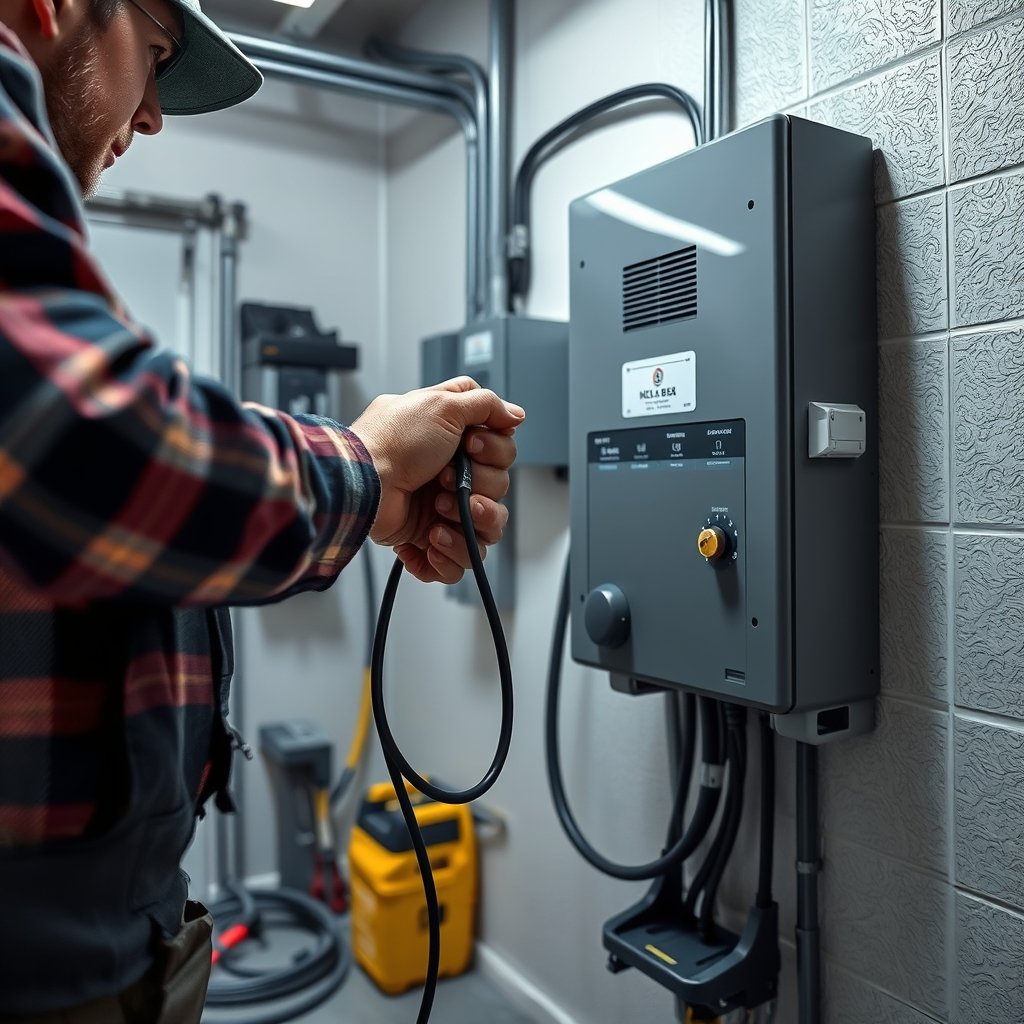
For more ways to cut costs and make smarter home energy upgrades, browse our hub for smart home tools and DIY solutions.
Advanced Analysis: Real-World Problems, Hidden Fees & Key Comparisons
Despite their clear benefits, whole home battery backup systems introduce several pain points and hidden pitfalls that can bust the initial budget or limit performance. Here’s what the data and real users are saying.
| Cost/Feature | Whole Home Battery Backup | Whole House Generator |
|---|---|---|
| Typical Upfront Installed Cost | $20,000–$32,000 ($25,000–$45,000 for large homes) | $5,000–$15,000 (inferred) |
| Annual Maintenance (5–10 years) | $150–$800/year | Typically higher—includes fuel, service, oil |
| Federal Tax Incentives | Up to 30% (Solar ITC) | None reported |
| Battery/Generator Replacement | $5,000–$12,000 (about every 10 years) | Varies per brand/size/frequency |
| Installation/Panels, Permit Fees | $3,000–$8,000 (region/complexity dependent) | $1,000–$4,000 (inferred) |
| Technical Limitations | Limit on total kWh, peak output, and max circuits unless using 2–3+ batteries and upgraded inverter/panel/gateway. Run time with HVAC or heavy loads can be as little as 8–12 hours on a typical charge. | Can usually power the full home indefinitely (if fuel is available), but noisy, not automatic, and requires regular manual refueling. |
- High Upfront Cost: Most complaints and negative reviews cite sticker shock: $20,000+ starting price for a true whole-home system and additional “surprise” fees for installation and permitting.
- Supposed ‘Whole Home’ May Mean Only ‘Part Home’: Many buyers expect every outlet and circuit to be backed up but discover their quoted system only covers “essential loads.” Always clarify this up front with your installer.
- Hidden Costs: Labor, panel/gateway upgrades, and safety certification may tack on $3,000–$8,000 and delay the project several weeks—these are often excluded in the first price you see.
- Runtime/Load Pitfalls: Overdrawn systems (for example, running heat pumps plus stove and washer) may drain battery units in under 10 hours—even with 30+ kWh installed.
- Lifecycle Replacement: Batteries typically need replacement every 8–12 years at $5,000–$12,000 each—something nearly all marketing materials gloss over.
A successful project requires clear up-front review of the best home power tools for upgrades, full project cost, and critical product limitations for your specific region and home.

Conclusion
Whole home battery backup cost is a complex equation. While the average spend lands in the $20,000–$32,000 range, true cost varies with your local labor market, system capacity, and the specifics of your home’s wiring and energy use. Don’t forget future battery replacement or required panel upgrades—true cost of ownership goes beyond the first invoice.
Assess your needs, get at least two detailed quotes, and factor in incentives to make a cost-effective and sustainable backup choice. To dig deeper and pick the right tools and products for home improvement, visit our smart home tools and DIY resource library.
Ready to reclaim peace of mind and control future outage costs? Start comparing whole home battery backup systems, and make sure to keep the whole home battery backup cost in perspective to the value it delivers!
FAQ
What is included in the whole home battery backup cost?
The cost typically covers batteries, inverters, installation, necessary panel or wiring upgrades, labor, permitting, and commissioning. Some quotes also include electrical gateway or transfer hardware. Always ask for a fully itemized, “turnkey” price before signing.
Does a battery backup system really power my entire house?
Many systems sold as “whole home” actually back up only essential circuits unless specifically sized and installed for all loads, including HVAC and water heaters. Be sure to clarify and get it detailed in your contract.
How long do whole home battery backups last during a blackout?
Run time depends on battery size, home energy use, and which circuits are included. Typical systems (30–40 kWh) may last 12–24 hours if running major appliances, but only 4–8 hours if heating or cooling draws heavily.
Are there incentives to reduce whole home battery backup cost?
Yes. Most home battery backups tied to solar are eligible for up to 30% off under the federal Solar Investment Tax Credit. Additional local or state rebates may also apply—ask your installer for current details.
What’s a ‘hidden’ cost most buyers miss?
Future battery replacement every 8–12 years, at $5,000–$12,000 each time, is the most frequently overlooked cost. Also, many installations require panel upgrades or permitting fees that add $2,000–$8,000 to the final invoice.